
Decoding Regenerative Medicine

Navigating the evolving spectrum of cellular communication, from traditional autologous blood concentrates to advanced acellular signaling matrices.
If you practice medicine long enough, you watch the standard of care shift. But in the field of regenerative science, that shift is happening at breakneck speed.
Today, your patients are likely walking into the clinic asking for advanced therapies by name. They’ve heard the acronyms—PRP, BMAC, MSCs, Exosomes, RPA—and they are looking to you to cut through the marketing noise. As a clinician, evaluating this saturated field means looking past the hype and focusing on the raw cellular biology.
At Genesis Regenerative, we partner with physicians and scientists to do exactly that. When you understand the evolving science behind these modalities, deciding which therapy to integrate stops being a guessing game and becomes a more clear, informed decision.
The Paradigm Shift: From Structural Engraftment to Paracrine Signaling
To make sense of the current regenerative landscape, we have to acknowledge a shift in how the medical community understands cellular biology.
For years, the industry operated on a structural theory. The idea was that if we injected live stem cells into a patient, those cells would physically engraft and act as microscopic “building blocks” to reconstruct damaged tissue. Today, extensive research has proven that this is only a part of the story. Often the mechanism of action also relies on cellular communication.
Your patients’ native cells already possess the inherent programming needed to maintain homeostasis—they just lack the robust biological instructions to initiate the process. Modern regenerative therapies function primarily through paracrine signaling. When introduced to the body, these therapies act as highly sophisticated biological messengers. They read the localized environment and release a cascade of signaling molecules that tell the surrounding native tissues to get to work.
The goal isn’t to physically just to build new tissue for the patient. The goal is to optimize the cellular microenvironment so the patient’s native cells can also orchestrate a rapid return to a healing state.

At a Glance: The Regenerative Spectrum
Before we look at the clinical applications, here is a quick summary of the core differences regarding origin, composition, and biological mechanisms.
Regenerative Therapy Comparison
Green = Best In Class | Red = Point of Concern
| PRP | Stem Cells | Exosomes | Genesis RPA | Genesis RPA + MUSE Proteins | |
|---|---|---|---|---|---|
| Regulatory Status | Biologics Exemption: Same Surgical Procedure | PHSA 351 (Requires IND) | PHSA 351 (Requires IND) | Biologics Exemption: Cell Factor | Biologics Exemption: Cell Factor |
| Patient Safety/Risk | Minimal Risk of Cross – Contamination (Patient Sourced) | Can Be Tumorigenic & Cause MHC Antigen Reaction | Can Be Tumorigenic & Transfer “Garbage” DNA | Acellular/Non-DNA/ Non-Tumorigenic | Acellular/Non-DNA/ Non-Tumorigenic |
| Therapeutic Contents | Platelet-Derived Growth Factors | Living Pluripotent Cells (Origin Dependent) | Extracellular Vesicles (Origin Dependent) | Acellular / Non-DNA Placental Proteins | Acellular/Non-DNA Placental Proteins (MUSE Protein Boosted) |
| Therapeutic Mechanism(s) | Patient’s Own Platelet Content of Cytokines & Growth Factors | Emits Exosomes to Communicate With Tissue & Deliver Regenerative Proteins | Communicates With Damaged Tissue & Delivers Regenerative Proteins | Directly Delivers Cytokines, Growth Factors & Signaling miRNA | Directly Delivers Cytokines, Growth Factors & Signaling miRNA (Increased Endo/Ecto Proteins) |
| 3rd Party PCR Testing (Proteins) | 9 Proteins (Donor Dependent) | 7-27 Proteins (Origin Dependent) | 7-27 Proteins (Origin Dependent) | 80 Proteins | 80 Proteins |
| 3rd Party Proteomic Testing (Proteins) | Unknown (Donor Dependent) | Unknown (Source Dependent) | Unknown (Source Dependent) | 300+ Cytokines, Growth Factors, miRNA | 300+ Cytokines, Growth Factors, miRNA |
| Clinical Outcomes Consistency | Variable Based On Patient Age & Lifestyle | Variable Based On Origin & Unknown Protein Content | Variable Based On Origin & Unknown Protein Content | Highly consistent | Highly consistent |
The Clinical Toolkit: What Are They Actually Doing?
To understand which regenerative therapy makes the most sense for your practice, we have to look at the foundational science behind each tool.
1. Platelet-Rich Plasma (PRP)
- The Basics: A dense collection of blood platelets isolated within a reduced volume of liquid plasma.
- The Biological Mechanism: Following a standard venipuncture, the blood is centrifuged to isolate the platelets. When reintroduced to the patient, the alpha granules within these platelets degranulate, releasing native growth factors to initiate activity.
- The Clinical Reality: PRP was a massive early breakthrough and remains highly accessible. However, the process of platelet degranulation is inherently pro-inflammatory. More importantly, its biological signaling capability is highly dictated by the age and systemic health of the patient. [1, 2]

2. Bone Marrow Aspirate Concentrate (BMAC)
- The Basics: A raw, autologous concentrate packed with a diverse cellular profile.
- The Biological Mechanism: Bone marrow is extracted (typically from the iliac crest) and centrifuged. Unlike PRP, BMAC contains live cells—including hematopoietic cells, immune cells, and a small percentage of MSCs—providing a more dynamic biological signaling environment.
- The Clinical Reality: BMAC provides a much more robust signaling environment than PRP, however, it requires a significantly more invasive harvest procedure and is still fundamentally limited by the patient’s own cellular vitality. [3, 4]
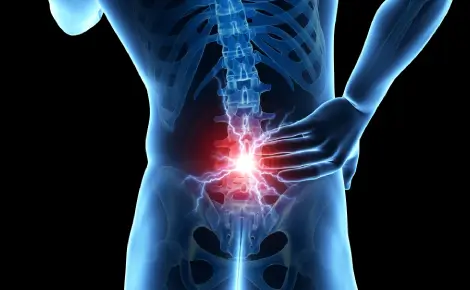
3. Mesenchymal Stem Cells (MSCs)
- The Basics: Isolated, living multipotent adult stem cells.
- The Biological Mechanism: Harvested from screened donor tissues (like umbilical cord / placental tissue), live MSCs function as dynamic biological signalers. They read the local environment and release extra cellular vesicles containing regenerative proteins that encourage surrounding native cells to initiate a return to homeostasis.
- The Clinical Reality: MSCs offer profound signaling potential. However, introducing foreign, living cellular and DNA content into a patient carries specific regulatory complexities, compliance hurdles, and clinical safety considerations that require careful navigation. [5, 6]
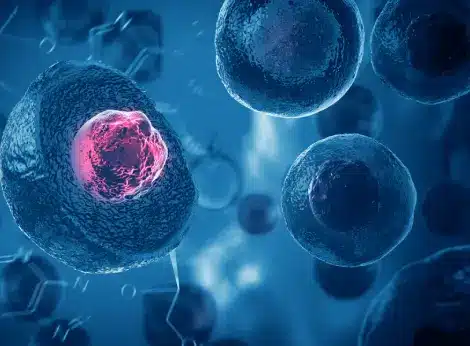
4. Exosomes
- The Basics: Microscopic, extracellular vesicles that act as the primary communication mechanism between stem cells and damaged tissue, which in turn delivers the regenerative proteins.
- The Biological Mechanism: MSCs are cultured in a lab, and the exosomes they naturally secrete are isolated and purified. They carry pre-packaged genetic instructions (RNA and regenerative proteins) that fuse with local host cells to deliver specific molecular messages.
- The Clinical Reality: Exosomes represent a massive leap forward in clinical safety. By utilizing an acellular matrices like exosomes, clinicians can harness targeted cellular communication that eliminates the risk of cellular transfer, but does not eliminate the risk of DNA transfer. [7, 8]
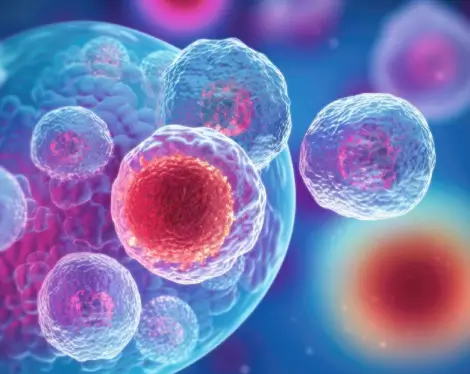
The Basics
A highly concentrated, acellular / non-DNA array of proteins containing over 300 verifiable cytokines, growth factors, and signaling molecules from the ecto, endo, and mesoderm remnant layers of the placenta. Each of these three layers: endo, (soft tissue organ), ecto (brain nerve), mesoderm, (musculoskeletal), play vital roles in human development and healing processes. With this breadth of healing proteins, as well as the elimination of cellular and DNA transfer risk, 10+ specialties are choosing to utilize RPA as a therapy for 60+ health care concerns.
The Biological Mechanism
Healthy donor placental tissue (ethically sourced after scheduled C-sections in the US) is stimulated in a specialized bioreactor to secrete its natural proteins. It then undergoes a proprietary multi-stage filtration process to safely remove all DNA and cellular matter. All donor and product testing are performed by third-party CLIA-certified labs, after processing at and FDA-registered lab.
Conclusion
In summary, as science advances and clinical leaders collect further outcome data, regenerative therapies will continue to become more effective and safer. As demonstrated by the definition of therapies in this article, there are many tools in the modern regenerative medicine clinician armamentarium of treatments to advance healing versus symptomatic condition relief by conventional medicine. Thought-leading clinicians continue to learn more everyday about the right therapy and or combination of therapies best suited for addressing the demographic and health care concerns of patients.
Frequently Asked Questions | FAQs for Clinicians
What is the difference between PRP and RPA?
PRP is derived from the patient themselves, which based on age, overall health etc, may limit the effectiveness of patient outcomes. Further, although PRP has some healing proteins, human placenta is the strongest source for the broadest set of healing proteins in the human body. RPA is derived from placenta and umbilical cord, and is an acellular/non-DNA product eliminating the risk of cellular DNA transfer.
Are Stem Cells, Exosomes and RPA the same thing?
No. Regenerative proteins are the active ingredients for anti-inflammatory modulation, scar tissue breakdown, and new blood vessel creation and cellular signaling. Although regenerative proteins are present in both exosome and stem cell products, RPA does not contain cells or DNA that holds risks of transfer between patient and donor.
How can I explain the therapeutic value of different regenerative therapies to my patients?
Certain proteins (cytokines) modulate inflammation in the body and play a key role in healing and pain. Other proteins (growth-factors) play key roles in scar tissue breakdown and new blood vessel formation, which plays a key role in tissue healing. The last segment of proteins (miRNA) play the role of light-switches in cellular messaging, cueing the body to begin production of its own stem cells and other healing mechanisms.
References
- Everts P, et al. Platelet-Rich Plasma: New Performance Understandings and Therapeutic Considerations in 2020. Int J Mol Sci. 2020. https://www.mdpi.com/1422-0067/21/20/7794 (https://doi.org/10.3390/ijms21207794)
- Yaman R, Kinard TN. Platelet rich plasma: hope or hype?. Annals of Blood. 2021. https://aob.amegroups.org/article/view/6760/html (https://doi.org/10.21037/aob-21-57)
- Dave U, et al. Bone marrow aspirate concentrate (BMAC) harvested in the axial and appendicular skeleton does not differ in progenitor cell count: A systematic review and meta-analysis. Journal of Orthopaedics. 2025. https://www.sciencedirect.com/science/article/abs/pii/S0972978X25001382 (https://doi.org/10.1016/j.jor.2025.04.008)
- Lana JFSD, et al. Platelet-rich plasma vs bone marrow aspirate concentrate: An overview of mechanisms of action and orthobiologic synergistic effects. World J Stem Cells. 2021. https://pmc.ncbi.nlm.nih.gov/articles/PMC7933989/ (https://doi.org/10.4252/wjsc.v13.i2.155)
- Lampiasi N. Mesenchymal Stem Cells: What We Have Learned and How to Manage Them. Biology (Basel). 2024. https://pmc.ncbi.nlm.nih.gov/articles/PMC11762337/ (https://doi.org/10.3390/biology14010001)
- Hoang DM, et al. Stem cell-based therapy for human diseases. Signal Transduction and Targeted Therapy. 2022. https://www.nature.com/articles/s41392-022-01134-4 (https://doi.org/10.1038/s41392-022-01134-4)
- Kalluri R, LeBleu VS. The biology, function, and biomedical applications of exosomes. Science. 2020. https://www.science.org/doi/10.1126/science.aau6977 (https://doi.org/10.1126/science.aau6977)
- Odehnalová N, et al. The potential of exosomes in regenerative medicine and in the diagnosis and therapies of neurodegenerative diseases and cancer. Frontiers in Medicine. 2025. https://www.frontiersin.org/journals/medicine/articles/10.3389/fmed.2025.1539714/full (https://doi.org/10.3389/fmed.2025.1539714)
- Kulebyakin KY, et al. Growth Factors in Regeneration and Regenerative Medicine: “the Cure and the Cause”. Frontiers in Endocrinology. 2020. https://www.frontiersin.org/journals/endocrinology/articles/10.3389/fendo.2020.00384/full (https://doi.org/10.3389/fendo.2020.00384)
- Tu Y, et al. Growth factor applications and clinical translation: advances and challenges. Annals of Medicine. 2026. https://www.tandfonline.com/doi/full/10.1080/07853890.2026.2642893 (https://doi.org/10.1080/07853890.2026.2642893)

